This post contains affiliate links. If you click and purchase, I may earn a small commission at no extra cost to you. Thank you for your support!
Step into a world where the past meets the present. Vintage home decor is making a big comeback, turning houses into cozy time capsules. This trend brings nostalgic interiors to life, adding character to modern spaces.
Retro design elements are popping up everywhere. From mid-century modern furniture to funky ’70s patterns, these pieces tell stories of bygone eras. They add depth and personality to our homes, making them truly unique.
Vintage decor isn’t just about looks. It’s a sustainable choice too. By giving old items new life, we reduce waste and support eco-friendly living. Plus, the quality of these pieces often surpasses that of modern mass-produced goods.
Key Takeaways
- Vintage home decor adds unique character to modern spaces
- Retro design elements tell stories of past eras
- Nostalgic interiors create a cozy, lived-in feel
- Choosing vintage is an eco-friendly decorating option
- Old pieces often boast superior craftsmanship
- Mixing vintage and modern creates a balanced look
The Allure of Vintage Home Decor
Vintage home decor captivates with its timeless charm. People love antique furniture and rustic decor for their ability to transport us to bygone eras. These pieces bring warmth and character to modern spaces, creating a unique ambiance that’s hard to replicate with mass-produced items.
Nostalgia and Unique Character
Each vintage piece tells a story. From weathered barn wood tables to ornate Victorian mirrors, these items evoke memories and spark conversations. Upcycled home accents add personality to rooms, making your space truly one-of-a-kind.
Sustainability and Eco-Friendly Appeal
Choosing vintage decor is a sustainable choice. By giving new life to old items, we reduce waste and minimize our environmental impact. Antique furniture often lasts longer than modern counterparts, making it a smart investment for eco-conscious homeowners.
Quality Craftsmanship of Yesteryear
Vintage pieces showcase exceptional craftsmanship. Handmade details, solid wood construction, and time-tested durability set them apart. These qualities make antique furniture and rustic decor not just beautiful, but functional and long-lasting additions to your home.
“Vintage isn’t just a style; it’s a testament to enduring quality and timeless beauty.”
Embracing vintage home decor allows you to create a space that’s both stylish and sustainable. Whether you’re drawn to antique furniture, rustic decor, or upcycled home accents, these pieces add depth and interest to any room.
Identifying Authentic Vintage Pieces
Spotting genuine vintage home decor can be tricky, but with a keen eye, you’ll uncover hidden gems. When hunting for antique furniture, pay attention to construction details. Dovetail joints, hand-carved elements, and solid wood are telltale signs of authentic pieces.
Thrift store finds often yield unexpected treasures. Look for maker’s marks or labels on the underside of furniture. These can reveal the piece’s age and origin. Patina, the natural aging of materials, is another indicator of authenticity in vintage home decor.
Be wary of reproductions masquerading as antiques. Modern manufacturing techniques often leave subtle clues. Perfect symmetry or machine-made screws can indicate a newer piece.
“The beauty of vintage lies in its imperfections. Each scratch tells a story.”
When exploring flea markets, trust your instincts. Authentic vintage pieces often have a unique character that’s hard to replicate. Don’t hesitate to ask sellers about an item’s history. Their knowledge can provide valuable insights into the piece’s authenticity and value.
- Check for original hardware and finishes
- Examine wood grain and construction methods
- Research popular styles from different eras
- Consider the item’s weight and overall quality
With practice, you’ll develop a knack for spotting genuine vintage treasures. Remember, the thrill of the hunt is part of the charm in curating your unique vintage-inspired space.
Incorporating Antique Furniture into Modern Spaces
Blending antique furniture with modern decor creates a unique and personalized living space. This fusion of old and new allows you to express your style while honoring the past. Let’s explore ways to seamlessly integrate vintage pieces into contemporary settings.
Mixing Old and New: Creating Balance
Achieving harmony between antique furniture and modern elements is key. Pair a vintage dresser with sleek minimalist lamps or place a contemporary sofa alongside an ornate antique coffee table. This contrast highlights the beauty of both styles and adds depth to your room.
Repurposing Vintage Furniture
Upcycled home accents breathe new life into old pieces. Transform an antique sewing machine into a unique side table or convert a vintage trunk into a stylish storage ottoman. These creative solutions not only save money but also reduce waste, making your home more eco-friendly.
Statement Pieces: Making Antiques the Focal Point
Let your antique furniture shine as the star of your room. A grand vintage armoire can command attention in a bedroom, while an ornate gilt mirror becomes a stunning focal point above a fireplace. These eye-catching pieces add character and spark conversation.
| Antique Item | Modern Pairing | Effect |
|---|---|---|
| Victorian Chaise Lounge | Geometric Area Rug | Elegant Contrast |
| Art Deco Sideboard | Minimalist Wall Art | Balanced Sophistication |
| Vintage Writing Desk | Ergonomic Office Chair | Functional Charm |
By thoughtfully incorporating antique furniture and vintage home decor, you can create a living space that’s both timeless and fresh. This approach not only adds character to your home but also supports sustainable decorating practices.
Vintage Home Decor: Styles and Eras
Vintage home decor brings a touch of nostalgia and character to any space. From mid-century modern to farmhouse style, each era offers unique design elements that can transform your home. Let’s explore some popular vintage styles and their key features.
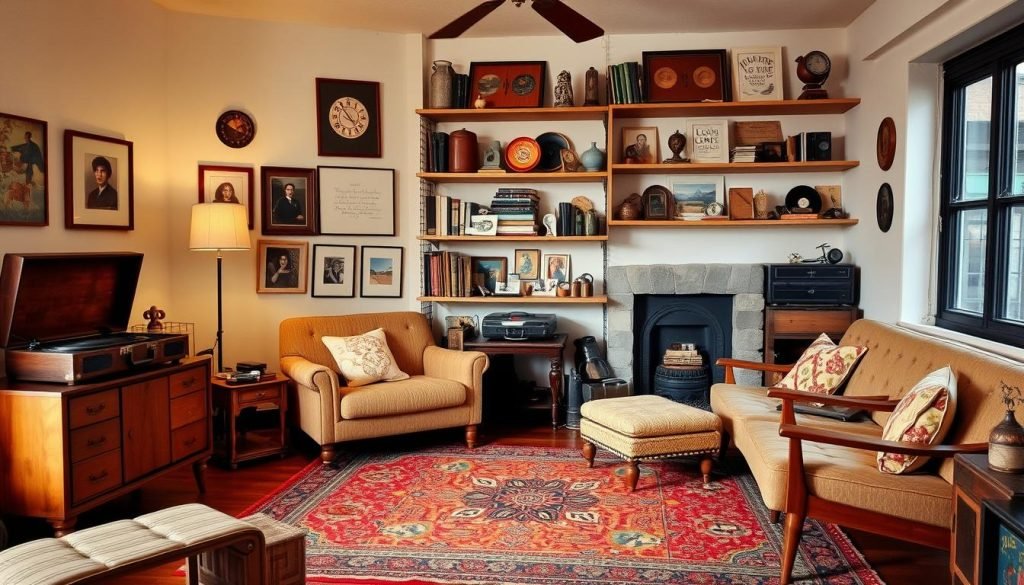
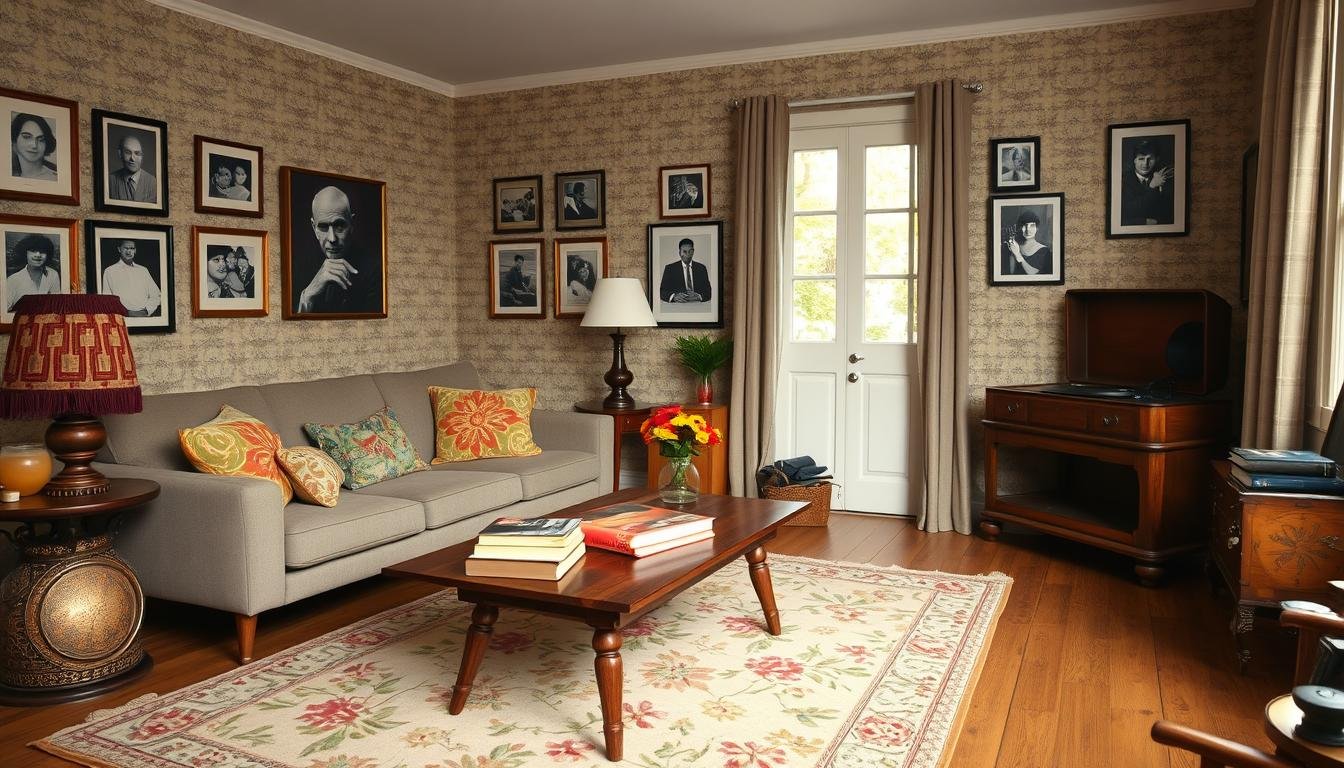
Mid-century modern design, popular from the 1940s to 1960s, features clean lines, organic shapes, and functional furniture. This style embraces simplicity with bold colors and geometric patterns. Iconic pieces like the Eames lounge chair and Saarinen tulip table are staples of this era.
Farmhouse style draws inspiration from rustic, rural living. It combines weathered wood, distressed finishes, and cozy textiles to create a warm, inviting atmosphere. Vintage farm tools and antique quilts often serve as decorative elements in this charming style.
Retro design, reminiscent of the 1950s to 1970s, incorporates vibrant colors, funky patterns, and space-age influences. Think lava lamps, shag carpets, and bold wallpapers. This playful style adds a fun, nostalgic vibe to any room.
| Style | Key Features | Iconic Elements |
|---|---|---|
| Mid-century Modern | Clean lines, organic shapes | Eames chair, tulip table |
| Farmhouse | Weathered wood, cozy textiles | Barn doors, vintage signs |
| Retro | Vibrant colors, funky patterns | Lava lamps, shag carpets |
By mixing elements from different eras, you can create a unique, eclectic space that reflects your personal style. Remember, the key to successful vintage decor is balance – combine old and new pieces to achieve a cohesive look that feels both timeless and fresh.
Retro Design Elements: Colors, Patterns, and Textures
Retro design brings a dash of nostalgia to modern homes. The vibrant colors, bold patterns, and unique textures of vintage home decor create spaces that feel both fresh and familiar. Let’s dive into the key elements that make retro interiors so captivating.
Bold Color Palettes of the Past
Vintage home decor often features striking color combinations. Think avocado green paired with mustard yellow or burnt orange mixed with chocolate brown. These daring palettes add depth and character to nostalgic interiors, making them stand out from contemporary neutral schemes.
Iconic Patterns: From Psychedelic to Geometric
Patterns play a crucial role in retro design. Psychedelic swirls, bold florals, and geometric shapes dominate vintage fabrics and wallpapers. These eye-catching designs inject personality into any space, transforming plain rooms into lively, nostalgic havens.
Textural Variety in Vintage Decor
Texture adds dimension to retro interiors. Shag carpets, velvet upholstery, and woven macramé hangings create a tactile experience. Mixing different textures brings depth and interest to vintage-inspired spaces, making them feel cozy and inviting.
| Decade | Color Palette | Iconic Pattern | Texture |
|---|---|---|---|
| 1950s | Pastel pink, mint green | Atomic starbursts | Chrome, vinyl |
| 1960s | Vibrant orange, turquoise | Psychedelic swirls | Shag carpet, plastic |
| 1970s | Avocado, harvest gold | Geometric shapes | Macramé, corduroy |
By incorporating these retro design elements, you can create a space that celebrates the past while feeling decidedly modern. The key is to balance bold colors, patterns, and textures for a cohesive look that captures the essence of vintage home decor.
Vintage Lighting: Illuminating with Style
Vintage lighting adds a touch of nostalgia and elegance to any space. From ornate chandeliers to sleek mid-century lamps, these fixtures bring character and warmth to modern interiors. Incorporating vintage lighting into your home decor can create a unique ambiance that blends old-world charm with contemporary style.
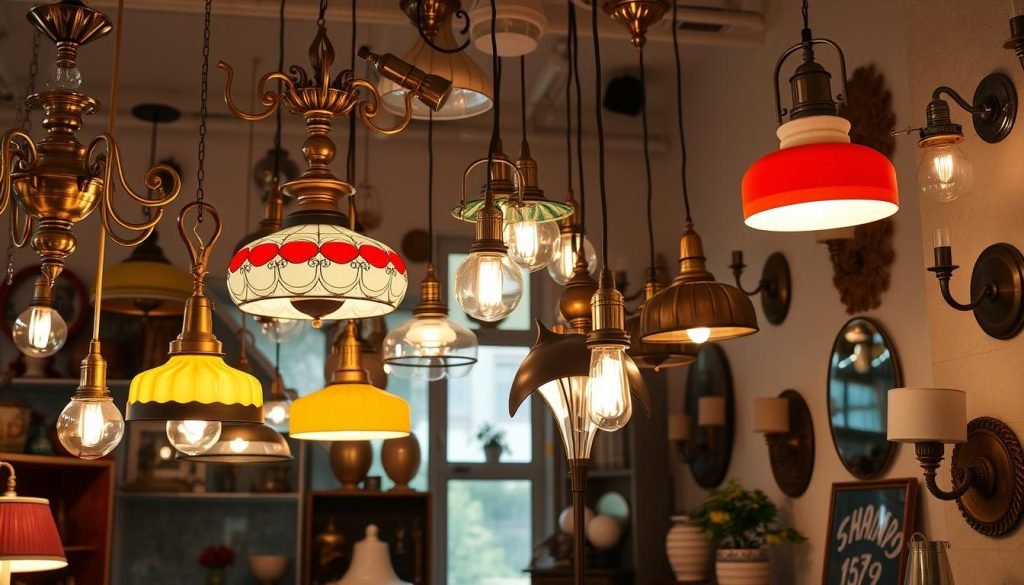
Retro design enthusiasts often seek out iconic lighting pieces from different eras. Art Deco sconces with their geometric shapes and bold lines can make a striking statement in entryways or living rooms. Tiffany-style lamps, with their colorful stained glass shades, add a cozy glow to reading nooks or bedside tables.
When selecting vintage lighting, consider the overall aesthetic of your space. A crystal chandelier can elevate a dining room, while industrial-style pendant lights complement exposed brick walls and antique furniture. For a cohesive look, mix vintage fixtures with modern elements to create a balanced and inviting atmosphere.
| Era | Popular Lighting Styles | Characteristics |
|---|---|---|
| Art Deco (1920s-1930s) | Geometric chandeliers, stepped sconces | Bold shapes, chrome finishes, frosted glass |
| Mid-Century Modern (1950s-1960s) | Sputnik chandeliers, arc floor lamps | Space-age designs, brass accents, colorful shades |
| Victorian (1837-1901) | Gas light fixtures, ornate table lamps | Intricate details, floral motifs, crystal elements |
Vintage lighting not only illuminates but also serves as a focal point in interior design. By carefully selecting and placing these timeless pieces, you can create a warm and inviting atmosphere that celebrates the best of both past and present.
Rustic Decor: Bringing Farmhouse Charm Indoors
Rustic decor brings the cozy warmth of country living into your home. This style blends vintage home decor with a farmhouse aesthetic, creating spaces that feel lived-in and inviting. Let’s explore how to infuse your rooms with this charming look.
Weathered Wood and Distressed Finishes
The heart of rustic decor lies in its use of natural materials. Weathered wood adds character to any space. Try incorporating reclaimed barn wood as shelving or a coffee table centerpiece. Distressed finishes on furniture pieces give that perfect worn-in look, evoking memories of grandma’s kitchen.
Vintage Farm Tools as Decor
Embrace the farmhouse style by repurposing old farm tools as unique decorative elements. Hang a vintage pitchfork on the wall as art or use an old milk can as a quirky side table. These touches add authenticity to your rustic decor while telling a story of rural life.
Cozy Textiles and Quilts
No farmhouse-inspired space is complete without soft, inviting textiles. Layer your sofa with handmade quilts in classic patterns. Add warmth underfoot with braided rag rugs. Choose natural fabrics like cotton and wool to keep the look authentic. These elements not only boost comfort but also infuse your home with genuine vintage charm.
“Rustic decor isn’t just about looks; it’s about creating a space that feels like a warm hug when you walk in the door.”
By combining these elements, you’ll create a space that captures the essence of rustic living. Remember, the key to successful farmhouse style is in the mix of old and new, creating a home that’s both stylish and wonderfully lived-in.
Conclusion
Vintage home decor brings a unique charm to modern spaces. By mixing retro design elements with contemporary pieces, you can create a truly one-of-a-kind living environment. The appeal of nostalgic interiors lies in their ability to tell stories and evoke memories.
From bold color palettes to iconic patterns, vintage decor offers endless possibilities for customization. Whether you’re drawn to mid-century modern furniture or rustic farmhouse accents, there’s a retro style to suit every taste. The key is to strike a balance between old and new, creating a cohesive look that feels both timeless and fresh.
As you embark on your vintage decor journey, remember that each piece has its own history. Embrace the imperfections and character that come with age. By incorporating these treasures into your home, you’re not just decorating – you’re preserving a piece of the past and giving it new life in the present.